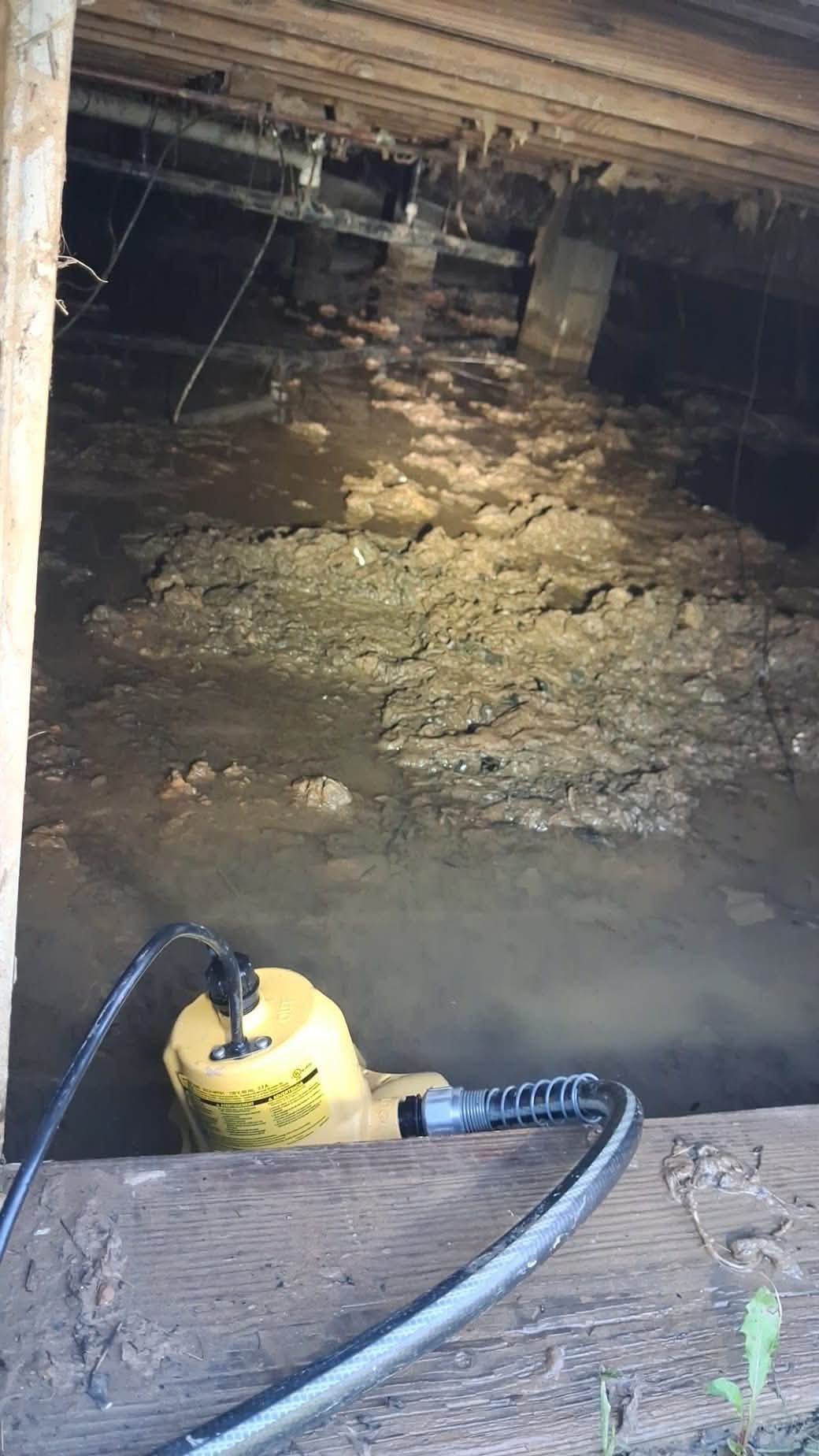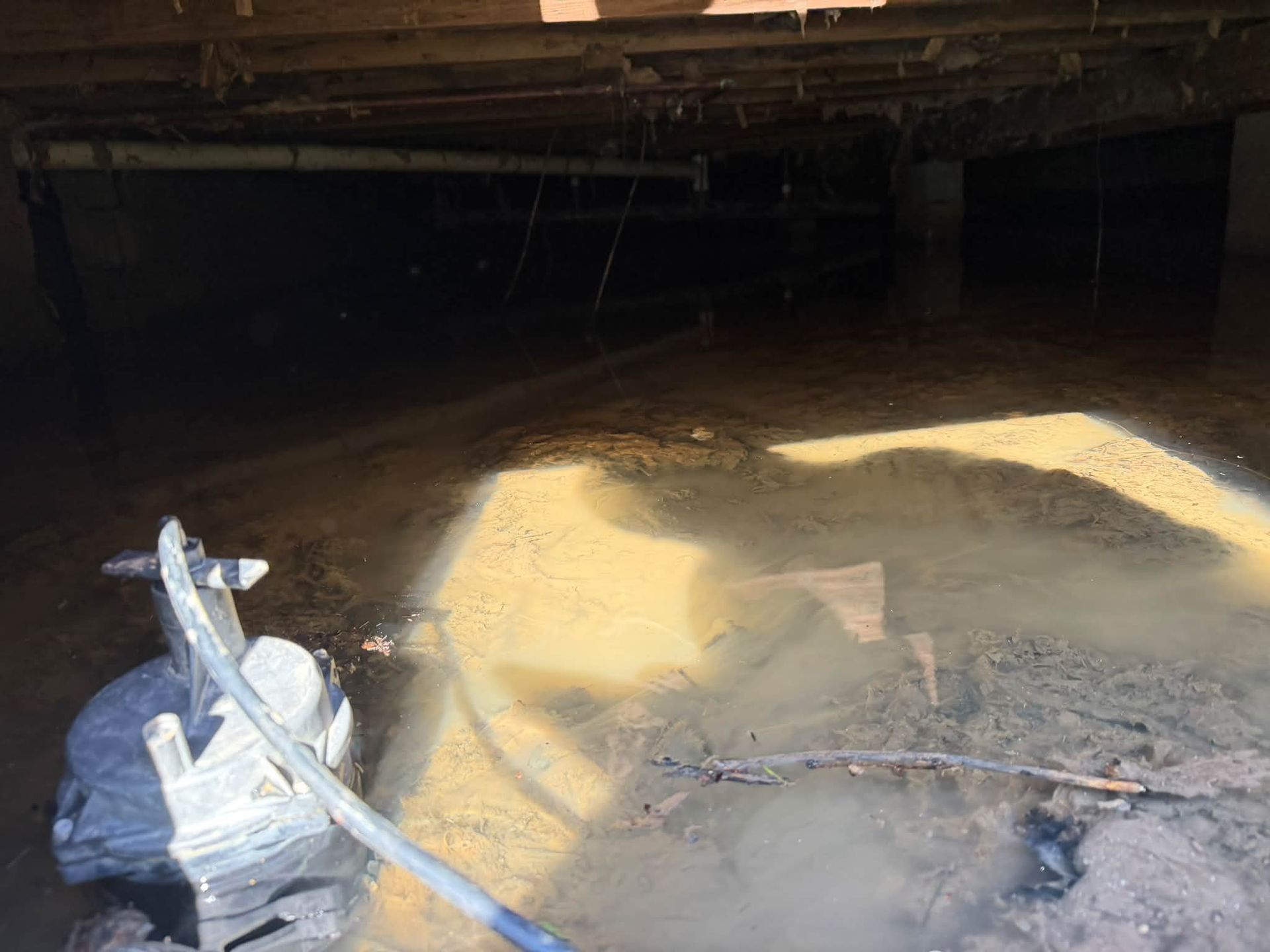
Sagging Floors Start Below the Subfloor
Crawl Space Restoration in Buckhannon for homes with rotted sills, failing joists, and stone or block foundation walls
Many homes in Buckhannon were built before modern code, with stone or block foundations and sill plates that have been sitting on damp soil for decades. In those properties, the framing underneath a sagging or soft floor is typically the real structural problem—not the floor covering above it. B&T Construction restores crawl spaces in Buckhannon with the owner and lead carpenter inspecting joists, sills, piers, and foundation walls before any repair is closed up, so nothing is concealed without being confirmed sound first.
Every restoration starts with a free estimate and a full inspection of the crawl space framing and foundation. Rotted joist sections are sistered or replaced, sagging framing is brought back to level, and foundation cracks are assessed before any moisture or vapor discussion happens. That sequencing matters: addressing vapor control on top of structurally compromised framing does not fix the framing, and the floor will continue to move regardless of what is placed over it.
Set up a free crawl space inspection with B&T Construction to determine which framing members need replacement before the floor above can be stabilized.
Why Crawl Space Framing Fails and How It Gets Corrected
Sill plates in pre-code homes were often set directly on stone or block without a moisture barrier between the wood and the masonry. Over time, moisture wicks upward through the foundation material into the sill, softening the wood fiber until the sill no longer provides solid bearing for the joists above it. That process happens slowly and invisibly—by the time the floor above feels soft or shows visible deflection, the sill and the lower end of several joists may already be structurally compromised. Sistering a new joist alongside a rotted one provides an immediate return to bearing capacity, but the sill condition has to be corrected at the same time or the new member will begin deteriorating from the same contact point.
Once framing is repaired and confirmed level, the floor above stops deflecting and the soft or bouncy feeling underfoot is gone. Doors that were sticking because the floor had racked the door frame often close cleanly again once the framing is back to level. B&T Construction carries a one-year workmanship warranty on completed repairs as required by West Virginia code, and repairs are checked and confirmed before the homeowner is asked to sign off.
Foundation wall cracks identified during the inspection are assessed separately from the framing repair—some cracks are cosmetic, while others indicate active movement that affects how the framing above is supported. That distinction is explained to the homeowner before any additional work is recommended, so the repair scope is understood rather than simply invoiced.
What Property Owners Ask About Crawl Space Repairs
The following questions address the repair process, how structural problems are identified, and what the completed work accomplishes in homes with older foundation and framing systems.
How does the inspection determine which joists need to be replaced versus sistered?
A joist that has lost structural integrity across more than a third of its depth at the bearing point typically requires replacement rather than sistering, while a joist with localized surface rot but intact core can often be sistered with a full-length new member fastened at close intervals.
What is sistering and how does it restore a compromised floor system?
Sistering involves fastening a new full-length joist flush against the existing damaged one, transferring the load to the new member while the old one remains in place for lateral stability—the new joist must bear fully at both ends on sound sill or beam material for the repair to be effective.
Why do homes in Buckhannon and Weston with stone foundations require a specific assessment before framing is repaired?
Stone foundations can shift laterally over time in ways that poured concrete foundations do not, and a joist that appears to have failed from rot may actually be failing because the bearing point has moved—correcting the framing without addressing the foundation position would allow the new member to fail from the same condition.
How is sagging framing brought back to level without damaging the floor above?
Hydraulic jacks are used to raise the framing incrementally rather than in a single lift—moving too quickly cracks finished flooring, tile, and drywall above, so the lift is done in measured stages until the framing reaches level.
What does a homeowner notice after crawl space framing has been restored?
The most immediate change is that soft or bouncy spots in the floor disappear, followed by interior doors that previously dragged or would not latch closing and latching normally once the floor is no longer deflecting the door frame.
B&T Construction also restores crawl spaces in Philippi, Elkins, Weston, Clarksburg, and Bridgeport. To have the framing and foundation in your crawl space inspected at no charge, call B&T Construction at (304) 672-0970 and arrange a free estimate visit.