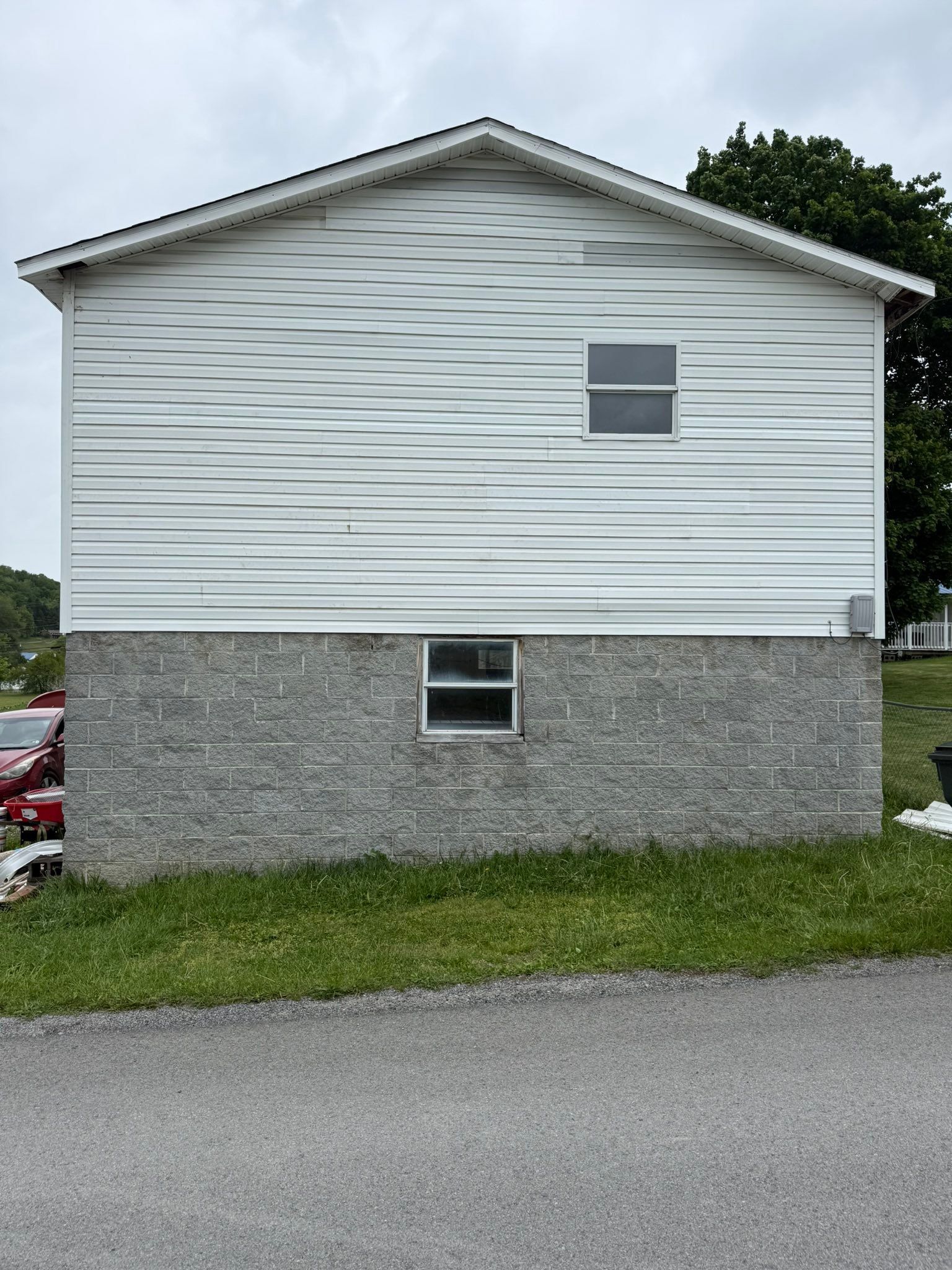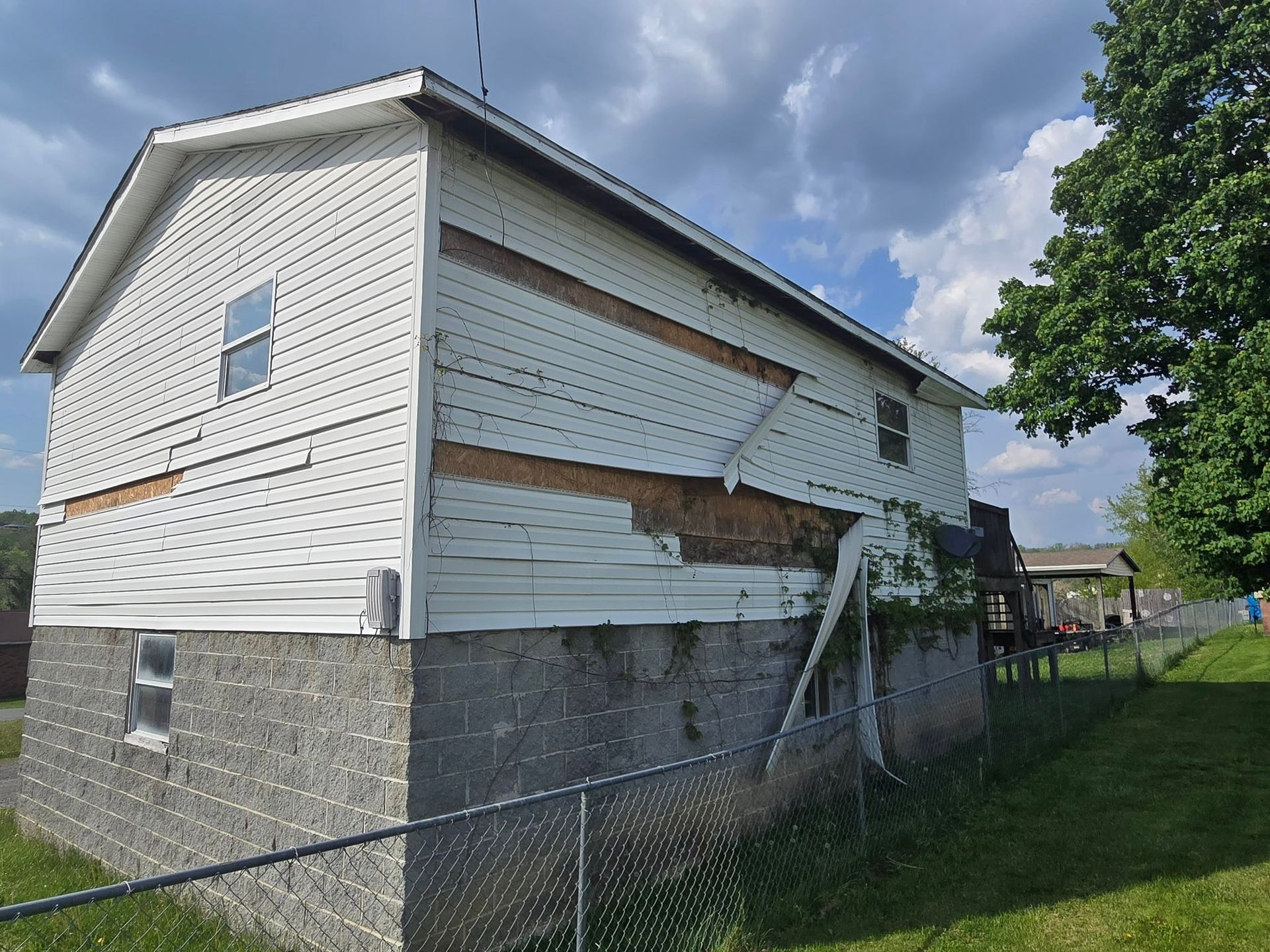
What Is Behind Old Siding Determines What Goes On Next
Siding in Buckhannon for homes where multiple layers over original sheathing must be removed and inspected first
Century-old and mid-century houses in this region were sided once, then re-sided over the original, sometimes more than once, leaving a layered exterior that hides whatever deterioration accumulated underneath. B&T Construction installs siding in Buckhannon by removing the old material first and inspecting what is behind it before any new installation goes on — because the condition of the sheathing and framing beneath is what determines whether new siding will perform or fail early. The owner and lead carpenter personally inspect every job at this stage, bringing over 50 combined years of experience to what they find.
Old siding removal surfaces the actual substrate: original sheathing boards, building paper or house wrap from a previous installation, and any rot, moisture damage, or pest damage that accumulated while the layers above kept it hidden. Any rot or structural damage found at this stage is addressed before new siding is installed, so the new material goes onto a sound surface rather than a compromised one. Free estimates are offered on all siding projects, and the estimate covers what the inspection typically reveals on homes of the age and construction type being worked on.
Set up a free estimate that includes an honest assessment of what removal is likely to reveal on your home's exterior before new siding is planned.
The Difference Between Installing Over Old Siding and Removing It First
Installing new siding over existing layers avoids the labor of removal, but it permanently conceals whatever condition lies beneath. On a house where the sheathing has taken on moisture behind a previous installation, covering it again simply extends the deterioration process until it becomes a structural problem. B&T Construction removes old siding on every job because finding rot at the sheathing stage costs far less to correct than finding it after new material has gone on. The owner and lead carpenter review the exposed substrate directly before framing repairs or new installation begins.
After new siding is installed over a verified substrate, the exterior reads as tight, consistent, and correctly terminated at corners, windows, and trim details. Water has no path behind the siding at any of those termination points, which is the functional measure of a correct installation. Homeowners also notice that the wall plane looks uniform rather than rippled or uneven — a sign that the substrate was prepared correctly before the new material was fastened.
B&T Construction carries a one-year workmanship warranty as required by West Virginia code. The scope of each siding job is determined by what removal reveals, and that finding is communicated to the homeowner before any additional repair work proceeds — nothing is added to the project without a clear conversation about what was found and why it needs to be addressed.
What Homeowners Ask About the Siding Process
These questions reflect what property owners ask when siding is being planned on older homes, particularly where layered exterior history and original sheathing condition are factors in how the work unfolds.
Why does old siding need to be removed before new siding is installed?
Siding installed over existing layers conceals the condition of the sheathing beneath, and if that sheathing has deteriorated, the new material is fastened into a compromised surface — removal is the only way to verify what the new installation is going onto.
How is rot identified once old siding is stripped?
Deteriorated sheathing is identified by probing with a tool — soft or spongy areas indicate moisture damage, and discoloration or mold growth on the back face of old siding often points to where water has been entering — both are addressed before new material is fastened.
What happens at window and door openings when siding is replaced?
The existing flashing and trim at openings is inspected and replaced where it has failed — a common failure point in older Buckhannon homes where original window trim was never backed by self-adhering flashing membrane, leaving the rough opening exposed to water intrusion behind the siding.
How does the fastening pattern affect how siding performs over time?
Siding fastened too tight binds against the substrate and can buckle, while siding fastened too loosely allows movement that opens seams over time — the correct fastening approach depends on the specific siding material and the manufacturer's installation requirements for that product.
What should the wall surface look like before new siding goes on?
The substrate should be structurally sound, free of rot, and flat enough that the new siding lies uniformly against it — any gaps left by removed sheathing boards are filled, and shims are used where the framing has moved over time to bring the surface back into plane before installation begins.
B&T Construction also installs siding in Philippi, Elkins, Weston, Clarksburg, and Bridgeport. Call B&T Construction at (304) 672-0970 to schedule a free estimate that starts with a direct look at what your home's exterior currently has behind it.