When Water Gets Inside the Walls
Flood Restoration in Buckhannon for homes with water-damaged framing, subfloors, and foundation walls
Homes along the creeks and low ground in Buckhannon often carry original stone or block foundations and framing systems that have been in place for decades. B&T Construction provides flood restoration for those properties, working through water-damaged walls, floors, and structural members before any finishes go back in. The owner and lead carpenter personally oversee every stage of the rebuild and remain on site until the work meets the homeowner's approval.
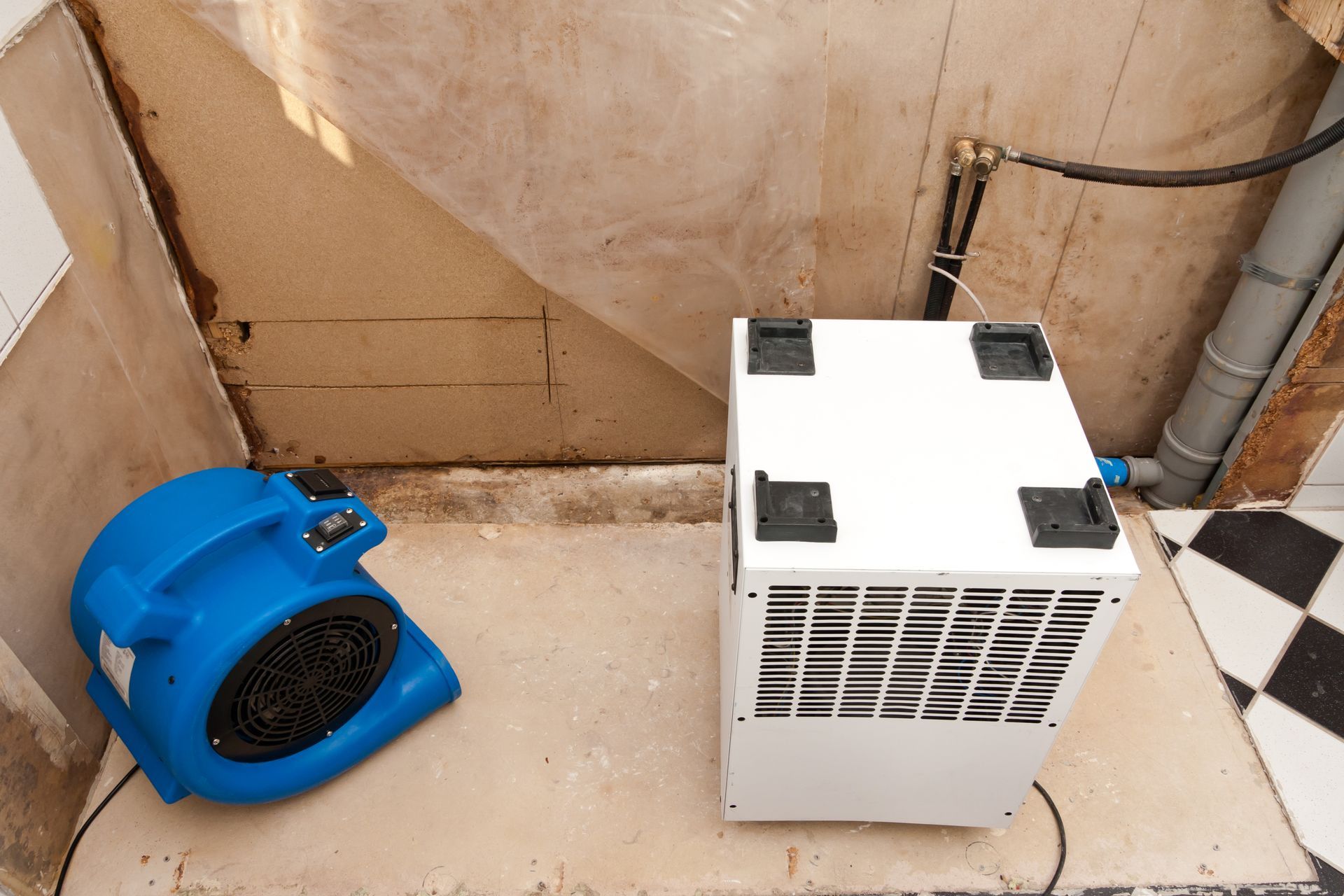
The restoration process starts by removing damaged materials and opening walls and floors to reach the framing and subfloor beneath. That inspection step matters because water rarely stops at the surface—it travels down framing cavities and soaks into sill plates before it shows up as a visible stain or buckled floor. Any damage found during that inspection is presented to the homeowner before the rebuild continues, so no repair decision is made without a conversation first.
Arrange an on-site walkthrough with B&T Construction to document the extent of water damage before reconstruction planning begins.
How Flood Restoration Addresses Hidden Structural Damage
After water intrusion, the visible damage—buckled flooring, stained drywall, warped trim—is typically the least structurally significant part of the problem. The crew opens cavities to inspect joists, subfloor sheathing, and load-bearing framing for saturation and decay that would otherwise be sealed behind new finishes. Drying the structure to a confirmed baseline before any new material goes in is the step that determines whether the repair lasts.
Once structural repairs are completed and the framing is sound, walls are closed, floors are restored, and finishes are reinstalled to match the existing home. The difference a homeowner notices is a floor that sits level and solid, walls that show no soft spots when pressed, and rooms that smell and function like they did before the event. B&T Construction backs every completed restoration with a one-year workmanship warranty as required by West Virginia code.
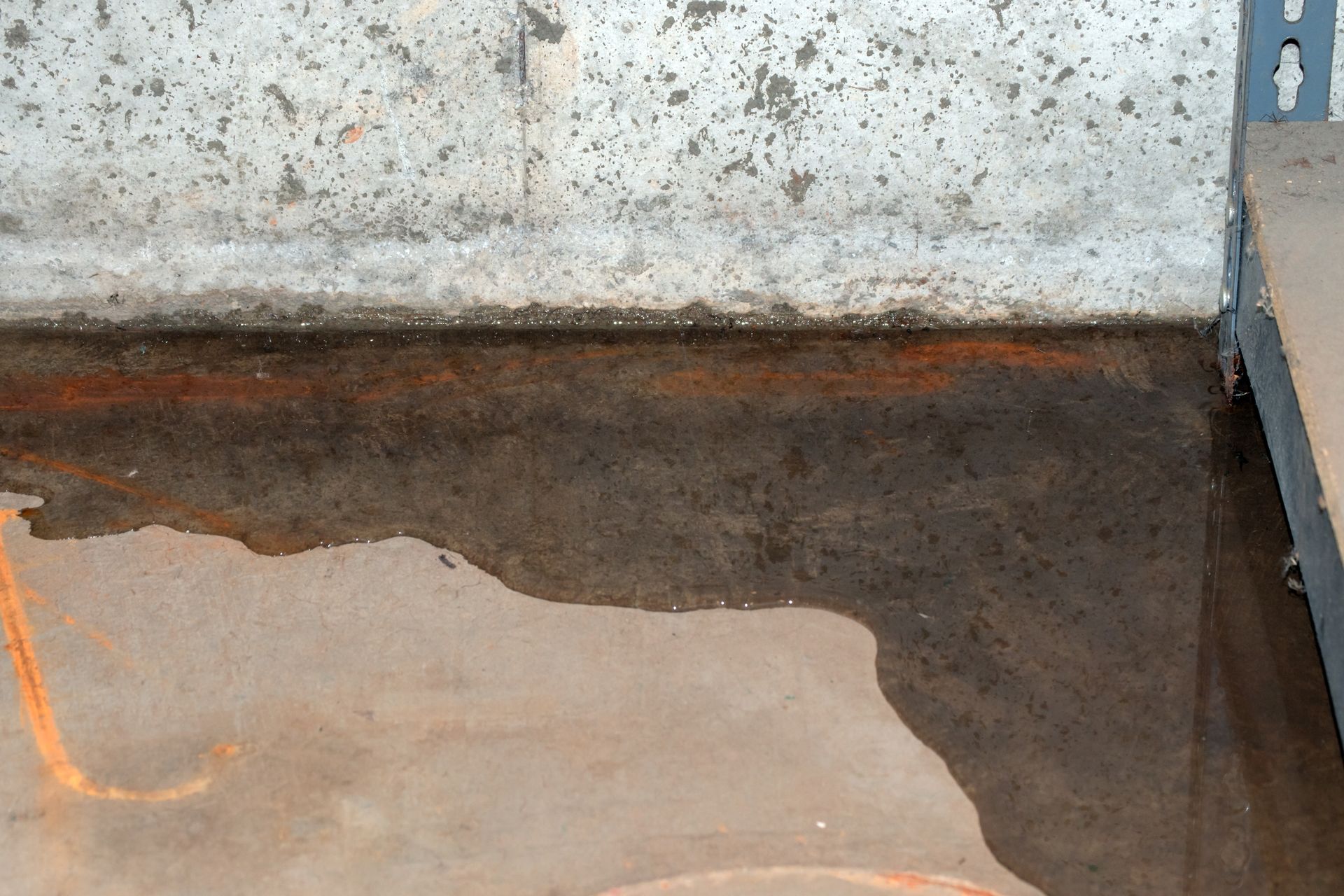
Older stone and block foundations common in the Buckhannon area require a specific assessment step: foundation walls are checked for new cracking or displacement caused by hydrostatic pressure during the flood event, since that damage affects how the rebuilt structure sits. That assessment happens before framing repairs are finalized, not after the walls are closed.
Questions About How Flood Restoration Works
These questions address the restoration process itself—what the crew does, how decisions are made, and what property owners can expect at each stage of the work.
What has to happen before new drywall or flooring goes back in?
The framing and subfloor must be inspected, any rotted or saturated members replaced or sistered, and the structure dried to an acceptable moisture reading before new finishes are installed—closing over wet framing is the primary cause of mold and repeat damage.
How does the crew decide which walls need to be opened?
Any wall cavity that shows surface moisture, discoloration, or soft drywall is opened and inspected, because water tracks downward through stud bays and can saturate the bottom plate and sill while the upper wall still looks dry.
What happens when additional damage is found once walls are open?
Every additional repair finding is discussed with the homeowner before work continues, so the scope of the rebuild is confirmed in stages rather than presented as a completed bill.
Why do older Buckhannon homes with stone foundations require a different inspection approach?
Stone and block foundations can shift or crack under flood-related hydrostatic pressure in ways that poured concrete foundations resist, so the foundation walls are assessed for new displacement before the framing above is rebuilt and tied back in.
How can a homeowner verify the structural repair is complete before finishes go in?
The repaired framing should be visually inspected before walls are closed—sistered joists should be flush and fully fastened, replaced sill sections should be bearing on solid foundation material, and the subfloor should not flex or move underfoot.
B&T Construction also performs flood restoration in Philippi, Elkins, Weston, Clarksburg, and Bridgeport. To review the damage at your property and confirm what the rebuild will involve, contact B&T Construction directly at (304) 672-0970 and schedule an on-site inspection.